Ops / System Input Tool
Ops / System Input Tool
Company
Company
Rise8
Rise8
Year
Year
2025
2025
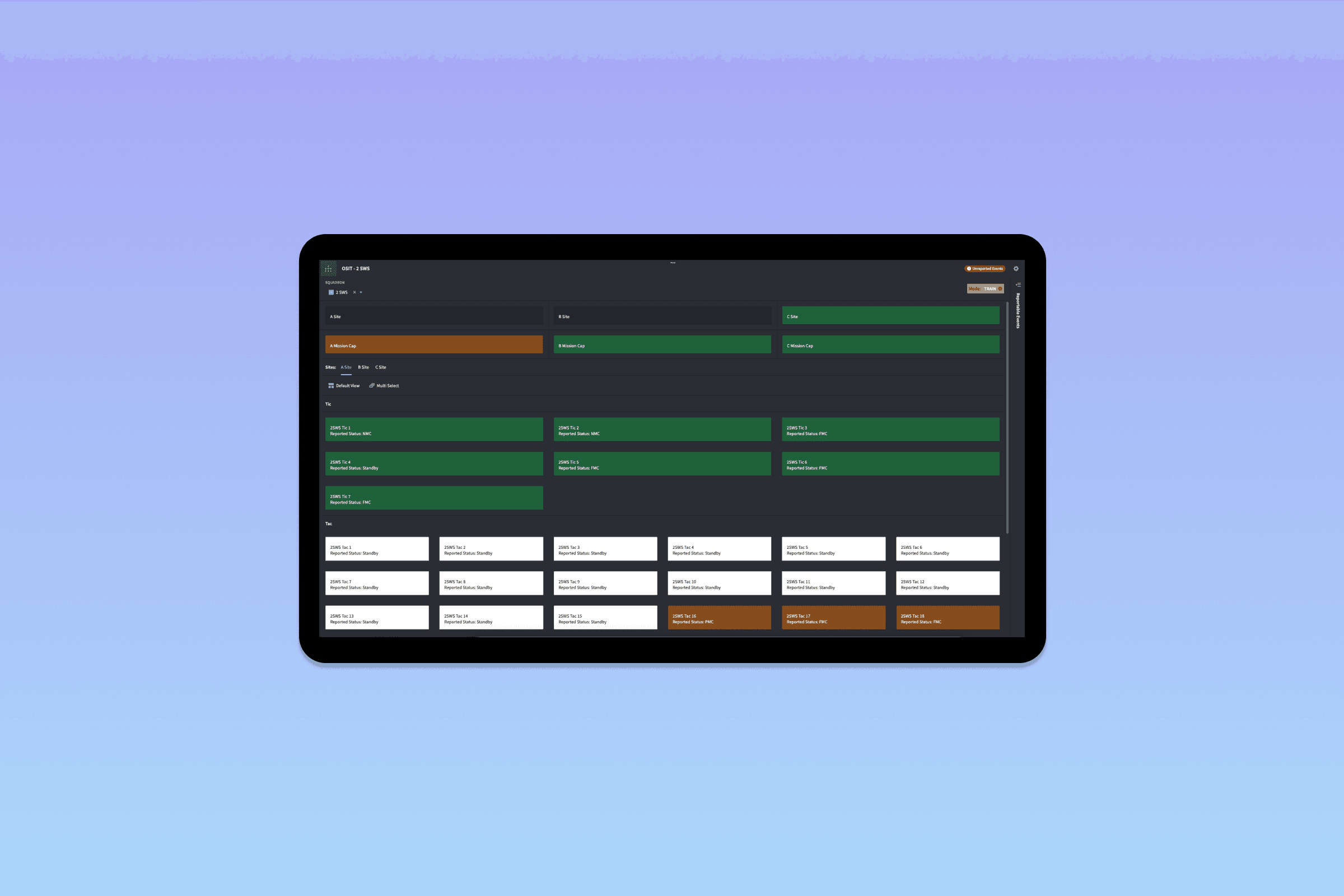
The project itself :
The Ops / System Input Tool was built in partnership with the Combat Forces Command within the United States Space Force.
Combat Forces Command is responsible for tracking and reporting the operational status of critical space systems at the squadron level—including radars, sensors, antennas, and satellites—and communicating that information up the chain of command.
CFC's existing reporting process relied on legacy software that was difficult to read and cumbersome to use. Crew Commanders lacked real-time situational awareness and could not quickly see which systems were operational, degraded, or offline. There was no way to understand system health at a glance.
Because of these limitations, squadrons created their own workarounds using PowerPoint slides, emails, and handwritten notes.
Over a 5 year defense planning cycle, we reduced costs from $66 million to $10.5 million, representing an 85% cost reduction
Established a centralized system of record for operational status reporting
Enabled faster status submission for Crew Commanders
Improved real-time situational awareness across the Space Operations Command
Reduced manual duplication previously spread across phone calls, emails, and slide-based reporting
Earned 2025 Spacepower Excellence Award for Engineering and Space Technology
I served as the senior product designer at Rise8, owning the end-to-end experience from research through delivery while also working directly inside Palantir Foundry in partnership with US Space Force.
Low- and high-fidelity designs, mockups, and interactive prototypes
User personas, research planning, and synthesis
On-base user interviews and usability testing
Wireframing and design system contributions
Facilitating design studios and solution workshops
Stakeholder management, demos, and client presentations
Building and shipping UI directly in Foundry
Teaching teammates how to use Foundry’s design system and tooling
All about the user :
The legacy software the Crew Commanders were using used text based updates, which were hard to read and didn't allow easy situational awareness.
Because of these issues, many Crew Commanders abandoned the tool and created their status updates in Microsoft PowerPoint, email, phone calls, and other software.
Security restrictions prevented them from saving these updates in cloud locations. They were instead stored locally and emailed to their leadership, creating confusion, version conflicts, and no clear source of truth.
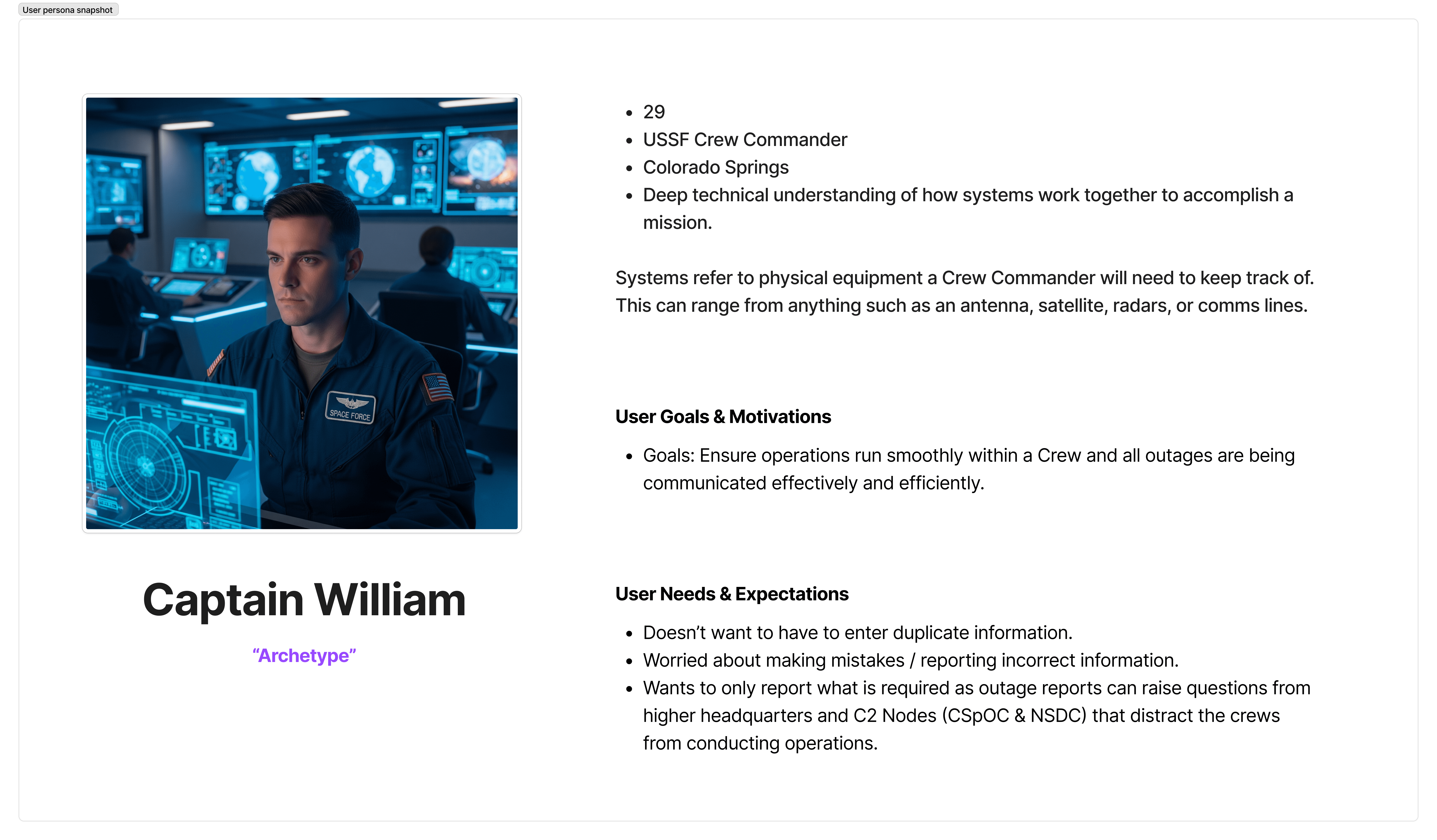
Personas were selected by conducting user research and identifying common pain points, that frustrate and block the user from getting what they need from a product.

The project schematically :
I created various diagrams and storyboards to clarify and analyze the app's information and architecture. Afterward, I sketched paper wireframes and then transitioned to digital wireframes, building a low-fidelity prototype to conduct initial usability studies with users and stakeholders.
More "clear" version of wireframes in a digital form. Also all the important pages are added
in it.
On this step I used the Figma design tool to create digital wireframes of all the pages. Then I bonded all of them into the clear and smooth structure.
The goal is to show how all the pages and things interact with each other.
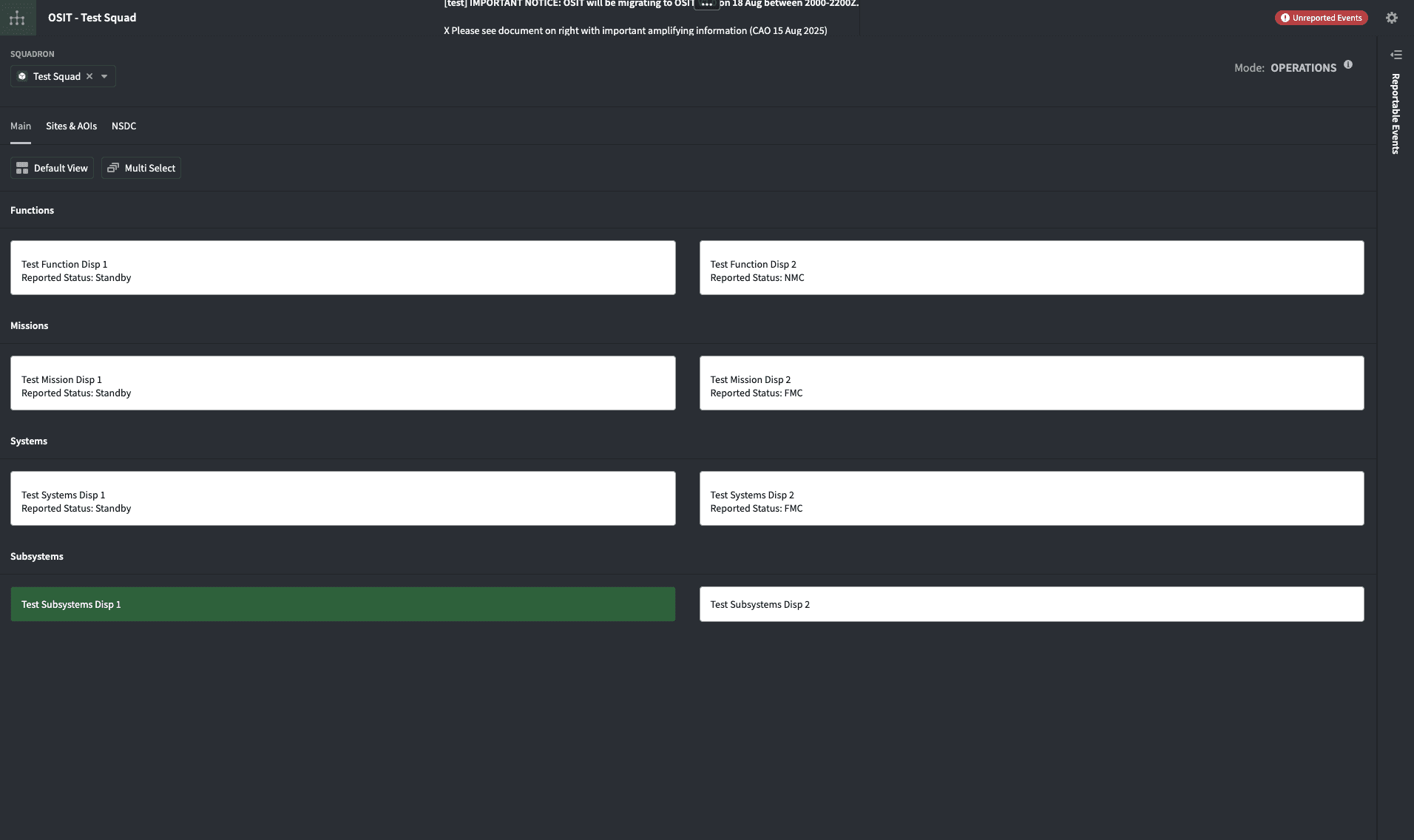
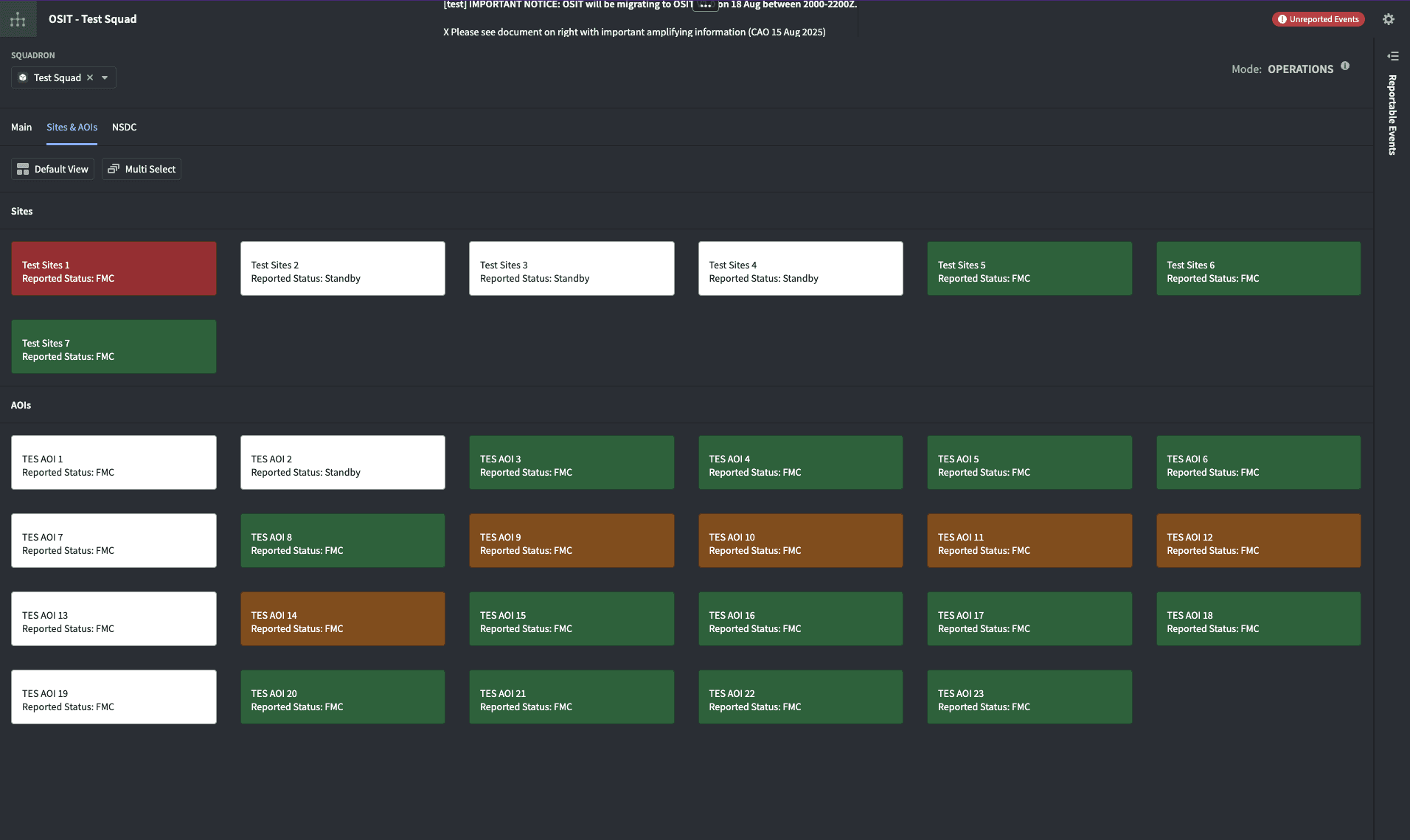
The clear version :
On this step, first I created a static, high-fidelity design (keeping in mind all the conclusions from the previous phase of usability studies) that is a clear representation of the final product.
After that, I created a high-fidelity prototype of the app.
It's the detailed, interactive version of designs that closely match the look and feel of the final product.
I turned my mockups into a prototype that's ready for testing, using gestures and motion, which can help enrich the user experience and increase the usability of the app.
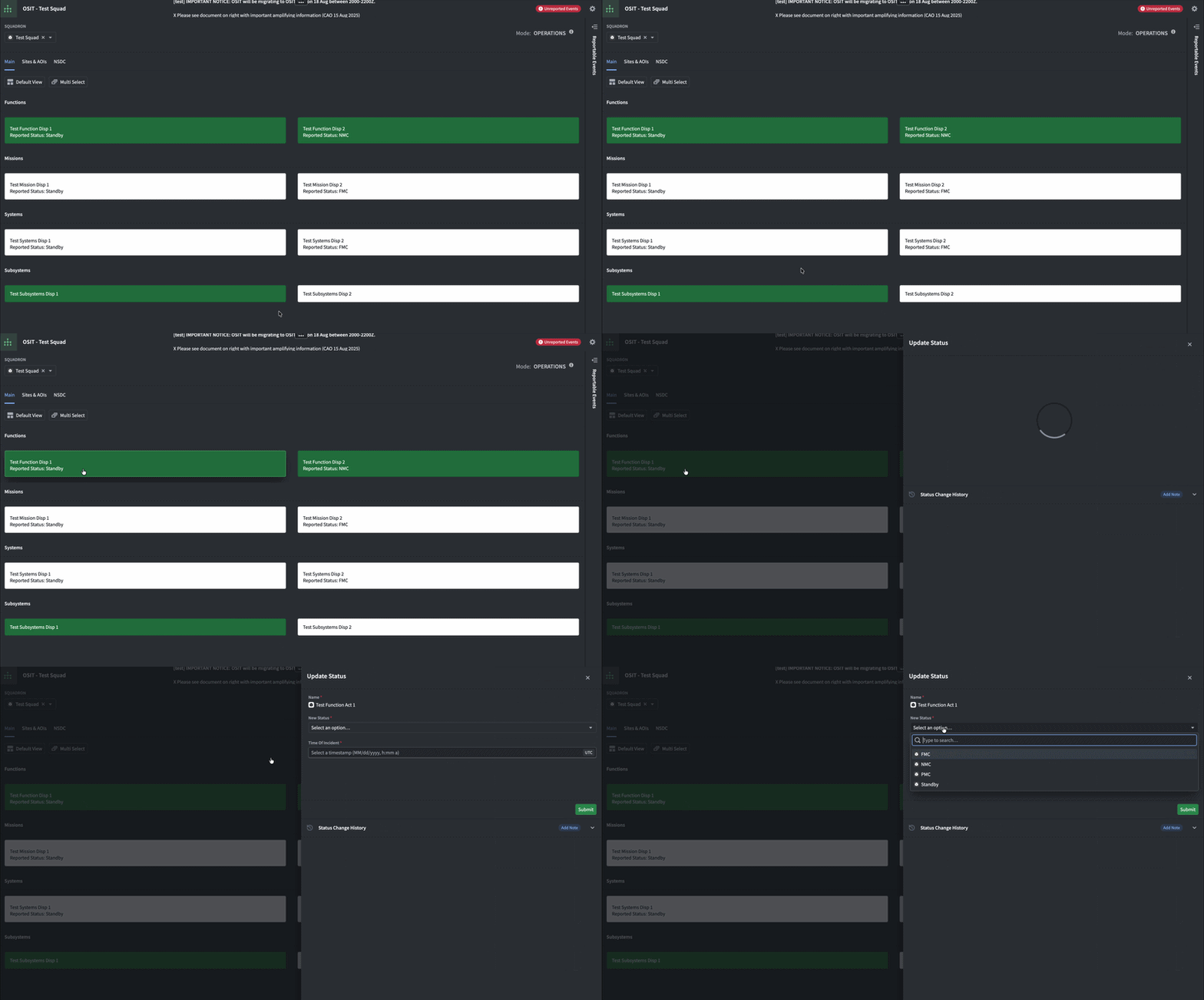
The project schematically :
The success of the project led to multiple contract renewals between Combat Forces Command and Rise8, expanding their partnership and bringing additional work to the organization.
Users, clients, and stakeholders reported high satisfaction with the new workflow and its reliability. What had previously been a fragmented and error-prone process became a shared operational picture that supported faster decisions and improved mission readiness.
Over a 5 year defense planning cycle, we reduced costs from $66 million to $10.5 million, representing an 85% cost reduction
Established a centralized system of record for operational status reporting
2025 Spacepower Excellence Award for Engineering and Space Technology
Enabled faster status submission for Crew Commanders
Improved real-time situational awareness across the Space Operations Command
Reduced manual duplication previously spread across phone calls, emails, and slide-based reporting